
Frailty: Why Social Care Must Lead the Prevention Agenda

Frailty has quietly become one of the most significant health challenges facing the UK’s ageing population. It is a condition marked by reduced strength, slower mobility and increased vulnerability to illness or injury. Yet despite its impact, frailty remains widely misunderstood. Too often it is dismissed as an unavoidable part of ageing, rather than a clinical syndrome that can be identified early, managed proactively and, in many cases, slowed or even reversed.
For social care professionals, this matters profoundly. While the NHS grapples with crisis response, it is social care that is often best placed to spot the early signs of decline and to intervene before hospital admission becomes unavoidable.
According to new research from the National Audit Office (NAO), there are at least 1.5 million people aged 65 and over living with frailty in England. For those living with severe frailty, the consequences can be stark – it increases the risk of falls, hospital admissions and long‑term dependency, placing enormous pressure on families and the health and social care system.
For older adults, frailty can mean a rapid loss of confidence, reduced independence and a decline in overall quality of life. But the most striking truth is this: much of this decline is preventable.
While the NAO research found gaps in how frailty is assessed and followed up in primary care, this makes the role of social care even more important in identifying risks early, and acting before deterioration becomes crisis.
When frailty is identified at its earliest stages, there is a crucial window of opportunity. Prevention does not always require complex clinical solutions, and can be done by encouraging gentle strength and balance exercises, supporting good nutrition and hydration, reducing trip hazards, rebuilding confidence and maintaining social connection. Done consistently, these actions protect independence and reduce the likelihood of avoidable hospital admissions
However, social care professionals cannot shoulder this responsibility alone. Families, communities and local organisations all have a role to play in creating environments where older adults feel supported, motivated and safe to remain active.
From my experience, live-in care can play a valuable role within this wider preventative approach. The consistency of having one dedicated carer in the home means changes are noticed earlier and routines can be adapted quickly. It also allows preventative support, from mobility and nutrition to confidence-building, to be woven naturally into everyday life rather than delivered as a one-off intervention.
Frailty is not inevitable. It is a challenge we can address – but only if we recognise it early and act decisively. By shifting our focus from crisis response to prevention, we can help older adults stay stronger for longer, safeguarding dignity, independence and quality of life across the UK.
More from our blog

Why Rish is swimming, cycling and running for Carents
At Promedica24, our work puts us close to some of the hardest situations a family can face, and it’s taught us that the person receiving care is rarely the only one who needs support. Behind almost every client we work with, there’s a family member managing the practical side of things: booking appointments, picking up […]
Read More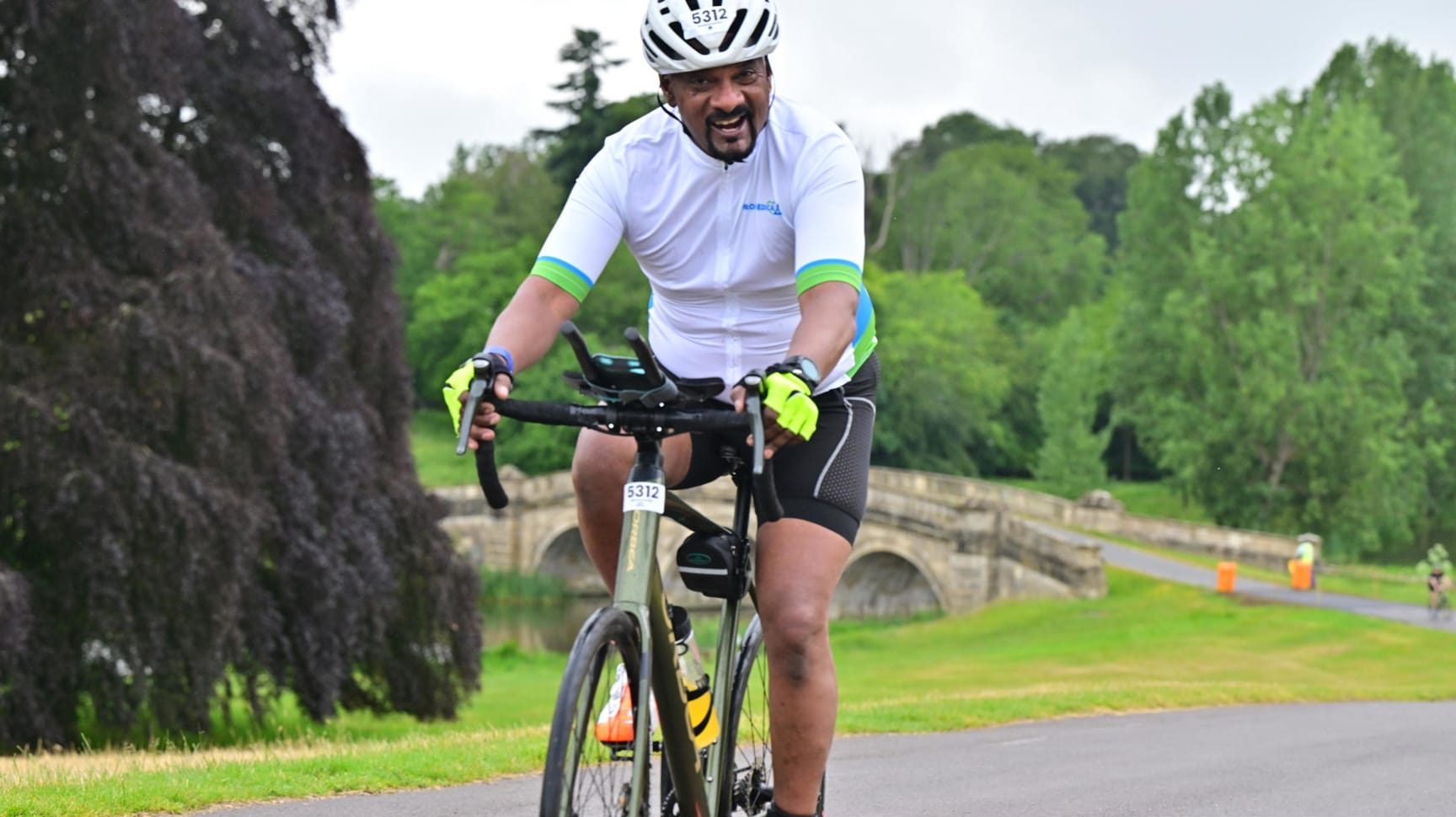
Promedica24 Partner Completes Blenheim Palace Triathlon in Aid of Carents
Rish marks his 60th year by completing a triathlon and raising vital funds for the free family carer support organisation Promedica24, Europe’s leading live-in care provider, is proud to announce that Rish Amod, Care Consultant and Partner at Promedica24 covering Berkshire and South Buckinghamshire, has successfully completed the Blenheim Palace Triathlon, raising awareness and fundraising […]
Read More
“Live-in care has given us reassurance” – J and M’s story
When Liz began looking at care options for her parents, one thing mattered more than anything else. They wanted to stay together in the home they loved. After more than sixty years as a couple, and over fifty spent in the same house, it had always been understood that this is where they felt most […]
Read More