
“Live-in care has given us reassurance” – J and M’s story
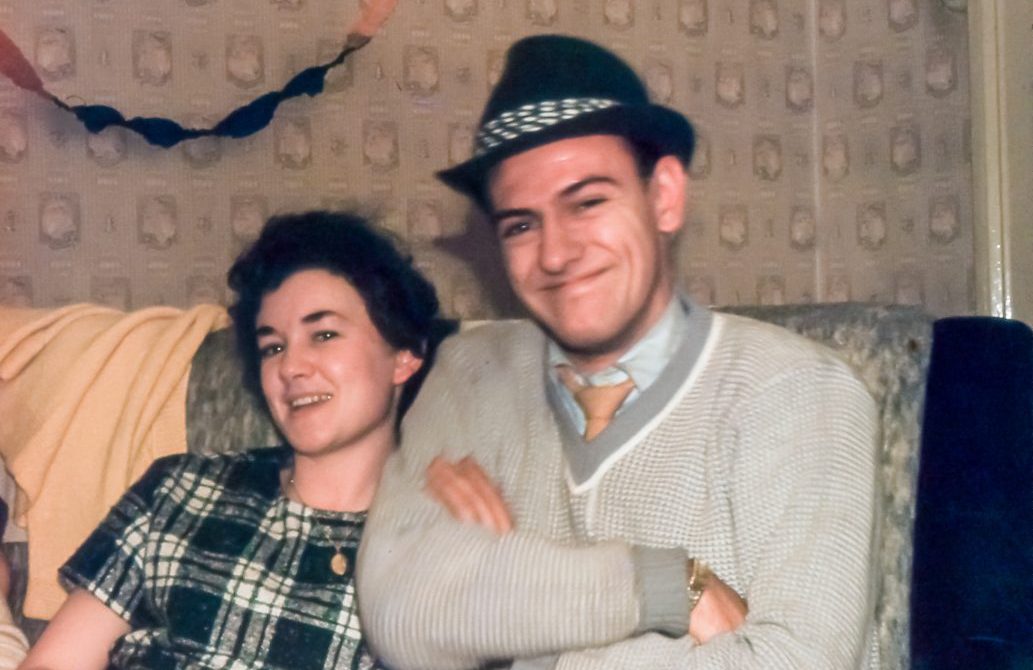
When Liz began looking at care options for her parents, one thing mattered more than anything else. They wanted to stay together in the home they loved. After more than sixty years as a couple, and over fifty spent in the same house, it had always been understood that this is where they felt most comfortable. Liz remembers having conversations about exactly this when arranging Power of Attorney, so when the time came, the decision felt like a natural extension of those earlier discussions.
The family did explore other options, including care homes, but the idea of such a significant change never quite sat right. Uprooting J and M from familiar surroundings, their routines, and everything that felt safe and known seemed likely to cause more harm than good. As Liz puts it, “We quickly realised that a big change like that would be too much for them and could be detrimental to their health and wellbeing.” In the end, staying at home, with the right support in place, felt like the most sensible and compassionate choice.
Live-in care offered a way to do exactly that. It meant J and M could continue living as they always had, but with extra help woven into their day. That support covers a range of everyday tasks, from meal preparation and medication reminders to laundry and personal care. Liz explains, “The carers help by preparing my parents’ meals, ensuring medication is taken at the right times, doing some laundry, providing personal care for my father, and taking him out for regular walks.” There is also reassurance through the night, when a carer is on hand to gently settle J if he becomes restless, helping him feel calm and secure.
The idea itself first came to Liz through a friend, whose mother had used live-in care during her recovery from cancer. That experience stayed with her, and when the time came, she began looking into providers more seriously. After considering a number of options, the family chose Promedica24, as it aligned with what they were hoping to achieve for J and M.
Looking back now, Liz is clear about the difference it has made. “Live-in care has given us reassurance that our parents are safe and being looked after at home, where they want to be.” Beyond that reassurance, there have been visible improvements too. Her father, who once struggled with simple movements, is now able to manage the stairs and carry out everyday tasks with a greater degree of independence, something the family had not expected to see.
Of course, there were concerns at the beginning. Liz admits she worried that a change in carers might be disruptive or unsettling. In reality, the longer stays have created a sense of continuity, allowing real relationships to develop over time. That familiarity has made a noticeable difference, even leading to small but meaningful changes, such as her father becoming more comfortable with female carers despite initially preferring male support.
This year, J and M will celebrate their 60th wedding anniversary in November, a milestone that feels all the more special given everything they have shared. For Liz, many of her strongest memories are tied to the family home, especially the lively gatherings that brought everyone together. “We’re a big family with cousins living around the corner, so the house was lively, noisy, and happy,” she recalls, describing a home that was always full of warmth, conversation and people coming and going.
Choosing live-in care has allowed that sense of home to continue. It has meant that, despite the challenges, J and M can remain in the place that holds so many memories, still together, and still surrounded by the familiarity that has shaped their lives.
More from our blog

Frailty: Why Social Care Must Lead the Prevention Agenda
By Lesley Cruickshank-Robb Frailty has quietly become one of the most significant health challenges facing the UK’s ageing population. It is a condition marked by reduced strength, slower mobility and increased vulnerability to illness or injury. Yet despite its impact, frailty remains widely misunderstood. Too often it is dismissed as an unavoidable part of ageing, […]
Read More
Why Rish is swimming, cycling and running for Carents
At Promedica24, our work puts us close to some of the hardest situations a family can face, and it’s taught us that the person receiving care is rarely the only one who needs support. Behind almost every client we work with, there’s a family member managing the practical side of things: booking appointments, picking up […]
Read More
Promedica24 Partner Completes Blenheim Palace Triathlon in Aid of Carents
Rish marks his 60th year by completing a triathlon and raising vital funds for the free family carer support organisation Promedica24, Europe’s leading live-in care provider, is proud to announce that Rish Amod, Care Consultant and Partner at Promedica24 covering Berkshire and South Buckinghamshire, has successfully completed the Blenheim Palace Triathlon, raising awareness and fundraising […]
Read More